
STRIP/PAD FOUNDATION CONSTRUCTION ON NIGERIAN FIRM SOIL
1. SCOPE AND APPLICATION
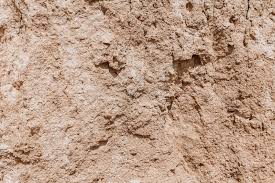
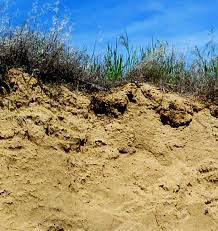
This SOP applies to the construction of strip and pad foundations on firm soil conditions (bearing capacity ≥ 150 kN/m²) commonly found in Nigerian geological formations including lateritic soils, sandy clay, and weathered rock formations. This is design for professionals and non professionals. If the technical terminologies are too hard for your grasps you can focus on the processes which is the original intent of this blog. feel free to reach out us for a further guidance.
Applicable Soil Types:
- Lateritic soils (common in Southwest Nigeria)
- Sandy clay soils (prevalent in Middle Belt)
- Weathered sedimentary rocks
- Firm alluvial deposits

2. REGULATORY COMPLIANCE
Nigerian Building Code (NBC) Requirements:
- NBC 2006 Section 3: Foundation and Substructure
- SON 175-2008: Concrete Mix Design
- BS 8110 and BS 8004 (adopted standards)
Required Approvals:
- Building Plan Approval from relevant planning authority
- Soil investigation report by certified geotechnical engineer
- Structural drawings approval by COREN registered engineer
3. PRELIMINARY REQUIREMENTS
3.1 Soil Investigation
Minimum Requirements:
- Trial pits to 1.5m below proposed foundation level
- SPT (Standard Penetration Test) every 1.5m depth
- Laboratory tests: particle size distribution, Atterberg limits, California Bearing Ratio (CBR)
- Groundwater level determination
Nigerian Firm Soil Characteristics:
- Bearing capacity: 150-400 kN/m²
- CBR value: ≥ 10%
- Plasticity index: 15-35%
- Seasonal variation consideration for clay soils
3.2 Design Parameters
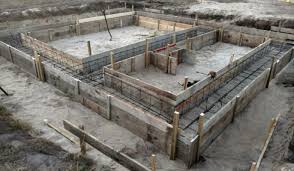
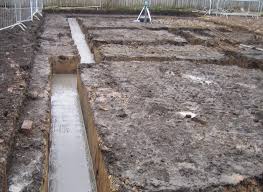
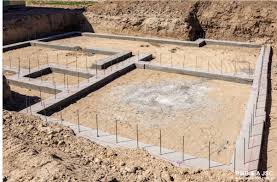
Strip Foundation:
- Minimum width: 450mm for single-story, 600mm for two-story
- Minimum depth: 900mm below ground level
- Concrete grade: C20/25 minimum
- Reinforcement: Y12 bars at 200mm centers both ways
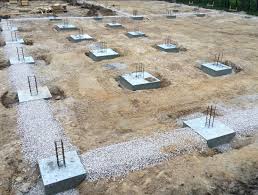
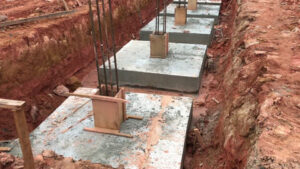
Pad Foundation:
- Minimum thickness: 300mm
- Minimum base area: As per structural calculations
- Concrete grade: C25/30 minimum
- Two-way reinforcement mesh
4. MATERIALS AND EQUIPMENT
4.1 Materials Specification
Concrete:
- Cement: Portland cement (Grade 42.5) – Dangote, Lafarge, or BUA
- Aggregates: Sharp sand (Zone 2), 20mm granite chippings
- Water: Potable water, chloride content < 500mg/L
- Mix ratio: 1:2:4 (C20/25) or 1:1.5:3 (C25/30)
Reinforcement:
- High yield steel bars (Grade 460) – Turkish or local equivalent
- Binding wire: 16 gauge
- Spacer blocks: 25mm, 40mm, 50mm concrete blocks
Waterproofing:
- DPC: Bituminous felt or polythene membrane
- Waterproof membrane: 1000 gauge polythene
4.2 Equipment Required
- Excavator or manual digging tools
- Concrete mixer (diesel-powered for remote areas)
- Vibrator (poker type and plate compactor)
- Water level and surveying equipment
- Measuring tapes and setting out tools
- Wheelbarrows and shovels
5. CONSTRUCTION PROCEDURE
5.1 SITE PREPARATION
Step 1: Setting Out
- Mark foundation centerlines using theodolite/total station
- Establish benchmarks and temporary bench marks (TBMs)
- Mark excavation boundaries with lime powder
- Verify dimensions against approved drawings
Step 2: Excavation
- Excavate to required depth plus 150mm for blinding concrete
- Maintain vertical sides for firm soil conditions
- Remove all organic matter and loose materials
- Compact excavated surfaces with plate compactor
For Pad Foundation:
- Check excavation dimensions: ±25mm tolerance
- Verify foundation levels: ±10mm tolerance
- Ensure proper drainage to prevent water accumulation
5.2 FOUNDATION CONSTRUCTION
Step 3: Blinding Concrete
Quality Control:
- Place 75mm thick C15/20 blinding concrete
- Level and compact using wooden float
- Allow 24 hours curing before proceeding
- Purpose: Provide clean working surface and prevent concrete loss
Step 4: Reinforcement Installation For Strip Foundation:
- Place bottom reinforcement (Y12 @ 200mm c/c)
- Maintain 50mm concrete cover using spacer blocks
- Install starter bars for walls (as per structural drawings)
- Ensure proper lap lengths (40 x bar diameter)
- Install bottom mesh in both directions
- Place top reinforcement where required
- Maintain specified concrete cover
- Secure reinforcement against displacement
Step 5: Concrete Placement
- Use concrete grade C20/25 for strip, C25/30 for pad foundations
- Place concrete in layers not exceeding 300mm
- Vibrate each layer thoroughly using poker vibrator
- Maintain proper slump (75-100mm for manual placement)
Step 6: Finishing and Curing
- Level top surface using screeding board
- Apply curing compound or cover with wet sacks
- Maintain moisture for minimum 7 days
- Protect from direct sunlight and wind
6. QUALITY CONTROL AND TESTING
6.1 Concrete Quality
Field Tests:
- Slump test: Every 50m³ or daily (whichever is less)
- Cube test: 6 cubes per 50m³ of concrete
- Temperature monitoring during hot weather
Acceptance Criteria:
- 7-day strength: ≥ 65% of design strength
- 28-day strength: ≥ 100% of design strength
- Slump: 75-100mm for manual placement
6.2 Dimensional Checks
- Foundation levels: ±10mm tolerance
- Plan dimensions: ±25mm tolerance
- Concrete cover: ±10mm tolerance
- Reinforcement spacing: ±25mm tolerance
7. SAFETY REQUIREMENTS
7.1 Excavation Safety
- Slope excavation sides 1:1 for depths > 1.5m
- Provide safe access and egress
- Install trench boxes for deep excavations
- Daily inspection of excavation stability
7.2 Personal Protective Equipment (PPE)
- Safety helmets (mandatory for all personnel)
- Safety boots with steel toe caps
- High-visibility vests
- Safety harnesses for deep excavations
7.3 Emergency Procedures
- First aid kit on site
- Emergency contact numbers displayed
- Evacuation procedures for excavation collapse
- Communication system for remote sites
8. DOCUMENTATION AND RECORDS
8.1 Required Records
- Daily work progress reports
- Concrete test results (slump and cube tests)
- Reinforcement certificates and test results
- Photographic records of construction stages
- Quality control checklists
8.2 Handover Documentation
- As-built drawings showing actual dimensions
- Material test certificates
- Concrete strength test results
- Warranty certificates for materials
- Maintenance recommendations
9. COMMON DEFECTS AND REMEDIAL MEASURES
9.1 Potential Issues
Concrete Segregation:
- Cause: Poor placement techniques, high slump
- Prevention: Proper vibration, correct mix design
- Remedy: Remove defective concrete and replace
Inadequate Concrete Cover:
- Cause: Improper spacer placement, poor workmanship
- Prevention: Regular monitoring, adequate spacers
- Remedy: Apply additional protective coating
Foundation Settlement:
- Cause: Inadequate soil bearing capacity, poor compaction
- Prevention: Proper soil investigation, adequate foundation design
- Remedy: Underpinning or foundation strengthening
9.2 Seasonal Considerations
Rainy Season (April-October):
- Provide adequate drainage around excavations
- Protect concrete from rain during placement
- Extend curing period due to lower temperatures
Dry Season (November-March):
- Increase curing water frequency
- Protect from direct sunlight and wind
- Monitor concrete temperature during placement
10. ACCEPTANCE CRITERIA
10.1 Technical Acceptance
- All concrete strength tests meet design requirements
- Dimensional tolerances within specified limits
- Reinforcement placement as per drawings
- Proper concrete cover achieved
10.2 Final Inspection Checklist
- Foundation levels verified
- Dimensions checked and approved
- Concrete strength certificates available
- Reinforcement certificates submitted
- Photographic documentation complete
- All defects rectified
- Handover documentation ready
11. APPENDICES
Appendix A: Nigerian Soil Classification
Appendix B: Concrete Mix Design Tables
Appendix C: Reinforcement Detailing Standards
Appendix D: Quality Control Checklists
Appendix E: Emergency Contact Information
Document Control:
- Review Date: July 2026
- Next Update: As required by code changes
- Distribution: All site personnel and consultants
Disclaimer: This SOP must be read in conjunction with approved structural drawings and specifications. Any deviations require prior approval from the design engineer.